
Why Hop-Up Settings Matter at the Chronograph Station
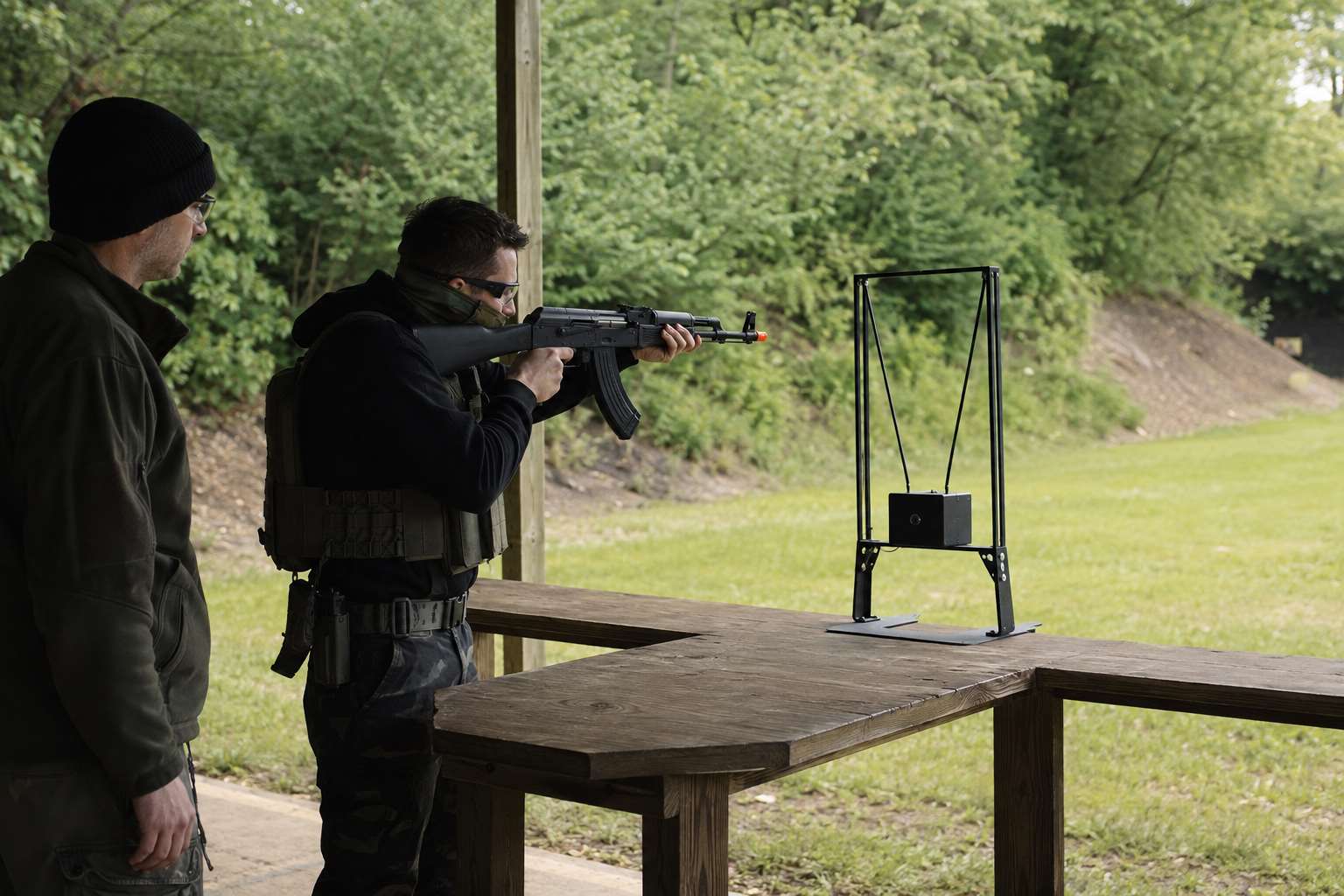
A small hop-up adjustment made during storage can create a start to game day. A replica passed a previous check may produce a reading when the setting, BB weight or barrel condition changes. A few deliberate checks before leaving home make the chronograph reading more repeatable protect equipment from rushed handling and keep the conversation focused on field rules than blame.
Start with the fields testing method
A chronograph result only means something in the context of the sites procedure. Fields may specify the ammunition weight, whether fields assess muzzle velocity or energy how hop-up is set and whether a replica is checked again after a suspected adjustment. Read the rules supplied by the venue before travelling. If wording is unclear ask the organiser than relying on a routine from another field.
The relevant question is not "What number does replica usually show?" The question is "Can this setup be tested in the condition in which it will be used?" Bring BB weight required by the field or a labelled alternative if venue allows one. Do not swap ammunition at the table to chase a result. This undermines the check. Can create a safety issue nearby.
Local laws and regulations may also affect where replicas can be transported, stored or used. These requirements can change, so check official guidance as well as venue rules.
Set the hop-up before you chase consistency
Hop-up applies backspin to the BB. Changing hop-up alters how BB leaves the barrel and can influence chronograph reading particularly when hop-up moves between a setting and the setting used for play. The effect varies with replica, ammunition and measuring equipment so there is no correct" position beyond fields stated procedure.
Before the event load approved BB weight. Set hop-up as directed by the field. Fire a few test shots in an appropriate location then leave hop-up adjustment alone. If venue instructs players to chronograph with hop-up at a specified position follow instruction even if differs from normal setup. The aim is a repeatable check, not the highest or lowest possible reading.
Keep adjustment modest. Sudden changes in flight behaviour excessive curving or lost range can indicate hop-up setting does not suit BB. Correcting hop-up setting is setup work; opening replica or altering power components at field is not part of game‑day preparation.
Treat BB choice as part of the test
A BB and a lighter BB do not represent same test condition. Both can produce velocity and energy results while hop unit may also behave differently with each weight. Use undamaged ammunition from a container that will not shed dust or fragments into feed system. Mixed BBs in a loader make it easy to lose track of what was tested.
If one weight is used for chronograph and another during game tell marshal before testing. Confirm change is permitted. Field may base limit on ammunition weight or energy measurement. Never assume displayed velocity automatically makes configuration acceptable; only venues stated method decides that.
Label each loader or bottle with BB weight. Keep test ammunition separate from supply planned for later use.
Look for maintenance problems that distort the result
A inner barrel, damaged hop rubber loose magazine fit or inconsistent gas supply can make readings wander. First check causes: inspect barrel opening confirm magazine feeds cleanly ensure battery or gas source is suitable and look for obvious leaks or damage. Clean and lubricate according to equipment makers guidance; excess oil in barrel or hop area can create further problems.
For gas-powered equipment, temperature and fill technique can affect consistency. Let equipment reach operating conditions before drawing conclusions and do not treat one unusually low or high shot, as whole story. If readings remain erratic stop adjusting and tell marshal. Questionable replica should be assessed safely than repeatedly fired while someone tries to settle numbers.
Do not take off eye protection when you want to see the muzzle or loading area closely. At home place a backstop and keep the replica pointing in a safe direction. At the venue obey handling commands use a chamber flag if needed and keep the muzzle away from people when the replica seems to be unloaded.
Use one calm pre-departure checklist
A quick check is more helpful than a last‑minute disassembly. Before you pack:
– Confirm the field rules and approved test ammunition.
– Set the hop‑up following the venue procedure and write down the setting if useful.
– BBs by weight and label them; do not rely on memory.
– Check the barrel, magazine, battery or gas supply and look for obvious damage.
– Pack compliant well‑fitting eye protection and any required lower‑face protection.
– Bring a transport bag and keep the replica unloaded until the field allows handling.
At the chronograph station answer questions plainly. Accept the recorded result. If a marshal asks for a recheck treat it as safety administration, not a challenge. If the replica fails remove the replica from play until the organiser explains the step. A spare rule‑compliant setup may be more useful than an adjustment.
This approach supports sportsmanship much as equipment care. Consistent testing protects players gives marshals a fair basis, for decisions and keeps a small setup variable from becoming a game‑day dispute.